


At The Oscar at Georgetown we understand that families often wonder what they’re supposed to bring, what they might forget, and how to make the first days feel calm rather than overwhelming. The transition to Memory Care raises dozens of quiet questions — Will they feel safe? What should we prepare? How do we make this move gentle for them and for us? This checklist brings clarity to that moment by organizing what truly matters before, during, and after the move.

1. Building a Meaningful Personal Profile for a Smooth Transition
What to Gather Before the Move
Create a simple document (digital or printed) with:
Daily Rhythm
– Usual wake-up time
– Nap routine
– Evening habits
– Moments of the day when they feel most alert or vulnerableFood & Dining Preferences
– Favorite meals
– Diet restrictions
– Foods that comfort them
– Foods they avoidComfort & Security Items
– Beloved textures (a blanket, shawl, or pillow)
– Small objects that help them feel safe
– Sensory items they reach for during stressEmotional Signposts
– What triggers anxiety
– What calms them quickly
– Phrases or gestures they respond well toSocial Style
– Introverted or social?
– Need warm-up time before group activities?
– Hobbies or topics that spark conversation?
Why This Step Comes First
A detailed personal profile:
✔ Reduces disorientation during the first 72 hours
✔ Helps staff mirror familiar routines
✔ Lowers anxiety and resistance
✔ Supports faster emotional adaptation
✔ Fosters trust between your loved one and the care team
2. Medical Essentials That Keep Move-In Stress-Free
What You Really Need (Beyond the Basics)
The “Current Meds Snapshot”
A one-page summary that includes:
- Exact medication names
- Dosages + times of day
- Who manages prescriptions
- Any recent changes in the last 60 days
Why it matters: Teams make fewer errors and adjust routines faster.
The Refill Roadmap
Families often forget this and it causes avoidable gaps.
Include:
- Pharmacy name + phone number
- Refill dates
- Whether meds come in blister packs, bottles, or pre-poured
Doctor Network at a Glance
Make it visual and simple:
- Primary physician
- Neurologist or memory specialist
- Cardiologist
- Any therapist involved (OT, PT, speech)
- Emergency contact instructions from each provider
Put them in order of importance.
Last 3 Medical Touchpoints
Instead of sending “all the records,” choose these three:
- Last annual physical
- Most recent hospital discharge (if any)
- Most recent memory assessment or cognitive evaluation
This gives the team immediate clarity.
Allergy & Sensitivity Card
Make this a small card or note that can be taped inside a drawer or placed in their chart.
Include:
- Food allergies
- Medication allergies
- Sensory triggers (strong perfumes, loud noises, etc.)
Mobility & Assistive Devices Checklist
To avoid confusion during unpacking, label:
- Glasses
- Dentures
- Hearing aids
- Walkers or canes
- Wheelchairs
- Adaptive equipment
Use large-print labels — Memory Care teams love this.
Family Hack That Saves Hours
Create a Medical Move-In Kit:
- One physical folder
- One digital folder (PDFs, screenshots, photos)
- Upload everything to a single email so you can forward it instantly
This small step is often what separates a chaotic move from a smooth, confident one.
3. Organizing the Legal and Administrative Documents Families Always Forget

Your Essential Move-In Document Set
Identity & Insurance Essentials
Create a small packet with:
- ID card
- Insurance card(s)
- Secondary coverage information (if any)
- Emergency contacts in the correct order
Pro tip: Add a sticky note with “who to call first” to avoid confusion during emergencies.
Power of Attorney & Decision-Making Forms
Have two copies of each: one for the community and one for the family binder.
Include:
- Power of Attorney (medical + financial)
- Guardianship documentation (if applicable)
- Advance directives or living will
Why this matters: Memory Care move-ins often require clear decision authority on day one.
Community Agreements & Policies
Families often skim these — but reading them saves headaches.
Check that you have:
- Signed admission agreement
- Move-in guidelines
- Medication management policy
- Safety or evacuation procedures
Highlight anything related to: visitation, personal items, financial responsibility, or healthcare coordination.
Financial Clarity Folder
Keep everything that affects billing in one place:
- Who is financially responsible
- Payment method or autopay setup
- Billing authorization forms
- Any third-party payer details
This avoids confusion at the end of the first month.
Quick-Access Copies for the Care Team
Print or save extra copies of:
- Allergy list
- Mobility needs
- Emergency contacts
- POA documents
- Medical summary
Place them in a transparent sleeve labeled Move-In Essentials.
Family Hack for Zero Confusion
Make a “Legal & Admin Go Bag” — a single pouch that stays in your purse or car during move-in week.
Inside:
- Copies of everything
- A pen
- Sticky notes
- A highlighter
It’s simple, but it solves 90% of “We don’t have that document right now” moments.
4. Setting Up a Room That Feels Familiar and Safe From Day One
Bring Items With Emotional Weight
Prioritize objects that carry meaning, not clutter. Think:
- A favorite blanket or texture
- A pillow with a familiar scent
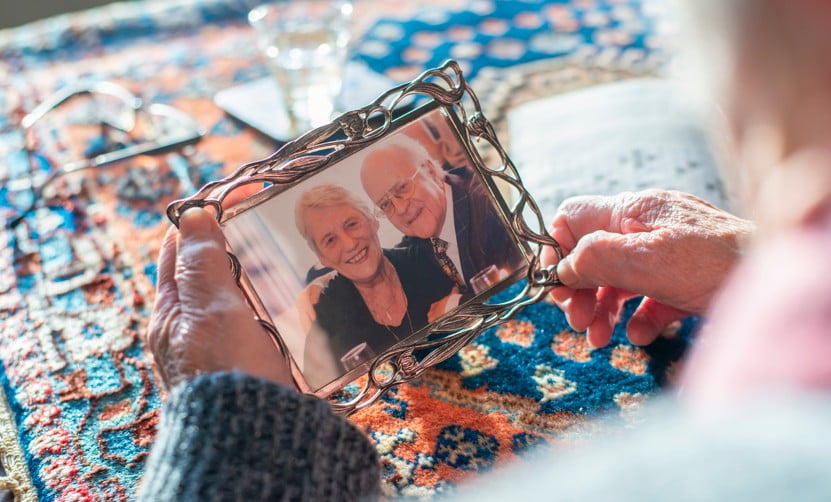
- A cherished photo they instantly recognize
- Jewelry or keepsakes they hold often
- A small spiritual or grounding object
These items help reduce confusion and create a sense of “home base.”
Add Practical Comfort, Not Excess
Stick to a curated set of:
- Labelled clothing
- Easy-to-slip-on shoes with non-slip soles
- A light sweater or shawl for temperature changes
- Simple toiletries they’re used to (same brand, same scent)
Consistency calms the nervous system.
Avoid Items That Disrupt Safety
To prevent accidents or overstimulation, do not bring:
- Electric blankets
- Candles or lighters
- Sharp tools
- Cleaning supplies
- Fragile décor
Less risk, more peace.
5. Planning the Move-In Day So It Feels Calm Instead of Overwhelming
Choose the Right Time of Day
Most individuals with memory loss feel more stable earlier in the morning. Arriving during their best hours helps:
- Reduce confusion
- Prevent late-day anxiety or sundowning
- Give the care team enough time to create early rapport
What families often overlook:
Avoid moving during meals, right after waking up, or close to nap time.
Keep the Arrival Group Small
Too many people, too many voices, too much emotion — it can overwhelm the senses.
Ideal move-in team:
- 1–2 calm family members
- No young children (the energy can be overstimulating)
- No “first-day visitors” beyond essential support
Let the Care Team Guide the Welcome
Families often try to over-explain or stay much longer than necessary. In Memory Care:
- Short goodbyes reduce distress
- Long explanations create confusion
- The care team needs space to form the first trust bond
What usually happens:
Families stay because they need the extra moment — not because it truly helps their loved one. A gentle exit is often the kindest choice.
Bring Only the Essentials on Day One
There’s a natural urge to set up the entire room immediately, but too much change at once can be overwhelming.
Recommended rhythm:
- Day 1 → essentials + comfort items
- Day 2–3 → gradual decorating and personalization
Small, steady changes help the brain adapt more easily.
Prepare a Simple, Reassuring Script
When arriving, clarity matters more than detail. Use short, soothing phrases:
- “This is a safe place for you.”
- “We’re here to help you settle in.”
- “I’ll see you very soon.”
Avoid long explanations or complex reasoning — they often heighten anxiety instead of easing it.
Set Realistic Expectations for the First Hours
Move-in day isn’t a test — it’s a landing. Expect:
- A little discomfort
- Normal confusion
- Emotional ups and downs
- A need for the team to take the lead
None of these moments indicate a “bad transition.” They’re part of the adjustment process.
A Warm Transition Starts with a Warm Welcome
At The Oscar at Georgetown, we’re here to make this moment feel supported, steady, and deeply human. Our team is ready to guide your family through every step of the move-in process — with open arms, expert care, and a genuine commitment to your loved one’s well-being.
Whenever you’re ready, we’re here to help you take the next step with confidence and peace.