






Senior Living News December 2025
Legacy Ridge at Alpharetta
Newsletter


Around the world with Atlas - December 2025 - France
Resident´s Birthdays
Hargroder, Christoper (Blake) 12/3
Rooney, Thomas 12/3
Mckee, Patrick 12/9
Brock King, Janet 12/11
Wilson, Jeanette (Jan) 12/11
Jones, Gwen 12/15
Norman, Leila 12/18
Barrett, Lucy 12/22
Usher, Rosie 12/23
Wiley, Sarah 12/24
Barrett, Judy 12/25
Celebrating December
Christmas Candlelight Dinner
Events Spotlight
Christmas Candlelight Dinner

From France with Love
Alexa, play Minor Swing, by Django Reinhardt.

Django Reinhardt’s Minor Swing (1937) is one of the most electrifying pieces in French music history — a cornerstone of Gypsy jazz and a brilliant display of Django’s unmatched guitar mastery. Paired with Stéphane Grappelli’s effortlessly swinging violin, the track bursts with rhythm, improvisation, and the unmistakable flair of Parisian jazz cafés of the 1930s. Even today, Minor Swing feels fresh, bold, and unique — a timeless tribute to Reinhardt’s genius and the vibrant soul of French jazz.
Resident of the Month
Moritz (Mike) Schroeder

Mike was born in San Antonio, he also lived in Mexico for 13 years, which than he moved to Austin Texas and finally to Georgia, he owns still as to this day a Sheet Rock company, Mike has 6 kids and 6 grandchildren, Mike enjoys playing Scrabble with people who he can beat, lol and he also enjoy gardening. we are so happy to have Mike here with us at Legacy Ridge at Alpharetta.
Associate of the Month
Tiffany Losee

Tiffany is a dedicated and compassionate care giver with over 10years of experience, providing exceptional patient – centered care. Tiffany consistently goes above and beyond to ensure the comfort and well – being of our residents, and she is recognized for her patience, empathetic approach and communication skills. Tiffany values the purpose of working together with coworkers to ensure those she cares for has a safe and happy environment to thrive in, we are so happy to have Tiffany here at Legacy Ridge at Alpharetta.
Top Tips for In-Home Senior Care

1. Create a Safe Living Environment
• Remove trip hazards (loose rugs, clutter, cords).
• Add grab bars in the bathroom and non-slip mats.
• Ensure good lighting, especially in hallways and stairs.
• Keep commonly used items within easy reach.
2. Establish a Routine
• Seniors feel more secure with consistency.
• Set regular times for meals, medications, bathing, and rest.
• Keep a visual calendar or daily schedule posted.
• Maintain morning and evening rituals to reduce confusion and anxiety.
3. Support Independence
• Encourage them to do what they can safely do.
• Offer choices (clothes, meals, activities).
• Use adaptive tools like reachers, easy-grip utensils, and shower chairs.
4. Focus on Nutrition & Hydration
• Prepare balanced, senior-friendly meals (soft, easy to chew if needed).
• Encourage water throughout the day — flavored water or herbal teas can help.
• Monitor for weight changes.
5. Medication Safety
• Use a pill organizer or pre-filled blister packs.
• Set reminders for medication times.
• Keep a current medication list on hand.
• Watch for side effects like dizziness, confusion, or sleepiness.
6. Encourage Gentle Activity
• Short walks, stretching, chair exercises, or light yoga.
• Match activities to ability and energy levels.
• Movement reduces falls, improves mood, and supports memory.
7. Provide Mental & Social Engagement
• Puzzles, music, reading, crafts, or reminiscence conversations.
• Encourage phone or video calls with family.
• Offer senior-friendly games or simple hobbies they enjoy.
8. Prioritize Dignity and Respect
• Speak with them, not for them.
• Ask permission before assisting with personal care.
• Involve them in decisions whenever possible.
9. Watch for Changes
Track or report:
• Behavior changes
• New confusion
• Changes in mobility
• Appetite or sleep disturbances
• Signs of pain
These may signal infection, dehydration, medication issues, or cognitive decline.
10. Care for the Caregiver Too
• Take breaks to avoid burnout.
• Ask family for help or consider respite care.
• Protect your own health and boundaries.

Welcome to France
Around the World with Atlas
France is a country built on centuries of history, artistry, and revolutionary ideas. From ancient Gaul and the rise of the Frankish kingdoms to the birth of the modern French state, its story is one of transformation. The foundations of France took shape through the coronation of Clovis in the 5th century, the brilliance of Charlemagne’s empire, and the evolution of a nation that would eventually stand at the center of European culture and politics. Over time, France became known not only for its kings and cathedrals but for a spirit of curiosity and change that shaped the world.
French culture has left an indelible mark across the arts, philosophy, cuisine, literature, and fashion. From the Enlightenment thinkers who reimagined human rights to the painters who transformed visual expression — Monet, Renoir, Cézanne, Degas — France has long been a beacon for creativity. Its influence extends into cinema, music, architecture, and the culinary traditions cherished worldwide, from buttery croissants to slow-cooked Coq au Vin. Every corner of French life carries a sense of refinement balanced with a deep appreciation for pleasure, beauty, and daily rituals.

To explore France is to step into a living tapestry of medieval villages, grand boulevards, vineyards, seaside cliffs, and cafés where time seems to slow down. It is a country that invites discovery — whether through the echo of cathedral bells, the quiet glow of a museum hall, or the simple joy of strolling along the Seine. France welcomes visitors not just to see its landmarks but to feel its spirit: a blend of elegance, history, and poetic charm that has captivated the world for centuries.





Top Tips for Keeping Seniors’ Minds Active
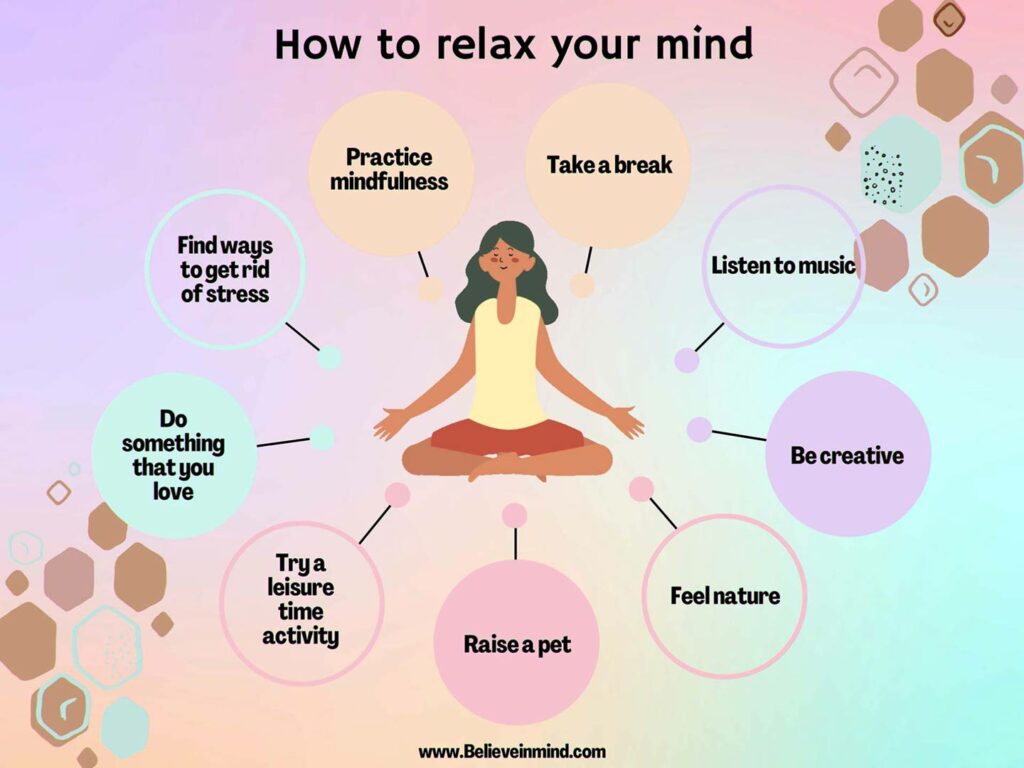
1. Encourage Daily Brain Exercises
• Puzzles: word searches, crosswords, Sudoku
• Trivia games
• Matching games or memory cards
• Simple math or logic activities
These exercises strengthen focus, memory, and problem-solving.
2. Read, Listen, or Discuss Stories
• Short stories or articles
• Audiobooks or podcasts
• Poetry readings
• “Story of the Day” conversations
Storytelling stimulates imagination and memory recall.
3. Promote Social Interaction
• Group chats or coffee socials
• Sharing childhood memories
• Friendly debates or “question of the day”
• Visiting with family or volunteers
Social engagement reduces cognitive decline.
4. Encourage Creative Expression
• Painting or drawing
• Simple crafts
• Music sing-alongs
• Journaling or gratitude lists
Creativity boosts mood and keeps neural pathways active.
5. Play Music Daily
• Listen to favorite genres
• Sing along to classics
• Tap to rhythm with hand instruments
• Music reminiscence sessions
Music activates multiple areas of the brain at once.
6. Introduce Gentle Physical Activity
Movement supports brain health:
• Chair exercises
• Stretching
• Short walks
• Gentle yoga or Tai Chi
Physical activity increases blood flow to the brain.
7. Use Reminiscence Activities
• Look through old photos
• Talk about life milestones
• Share stories about past hobbies or occupations
• Watch classic movies or TV shows they loved
Reminiscence is especially beneficial in Memory Care.
8. Encourage Learning Something New
• Simple crafts
• New songs
• Basic technology (if appropriate)
• Easy cooking or baking tasks
Learning keeps the brain adaptable and engaged.
9. Offer Sensory Stimulation
• Aromatherapy
• Textured objects
• Fidget blankets
• Sensory boxes
Great for dementia care to reduce anxiety and keep the mind active.
10. Keep Activities Short and Enjoyable
• Avoid overwhelming tasks
• Offer choices
• Switch activities if frustration appears
• Celebrate small successes
Consistent, positive engagement is the goal.
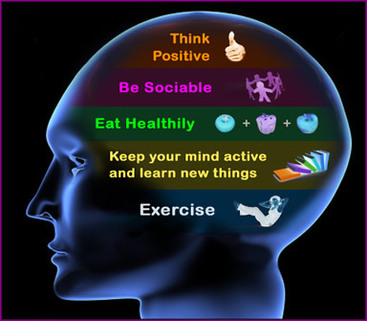
Key Trends in Senior Living

1. Encourage Daily Brain Exercises
• Puzzles: word searches, crosswords, Sudoku
• Trivia games
• Matching games or memory cards
• Simple math or logic activities
These exercises strengthen focus, memory, and problem-solving.
2. Read, Listen, or Discuss Stories
• Short stories or articles
• Audiobooks or podcasts
• Poetry readings
• “Story of the Day” conversations
Storytelling stimulates imagination and memory recall.
3. Promote Social Interaction
• Group chats or coffee socials
• Sharing childhood memories
• Friendly debates or “question of the day”
• Visiting with family or volunteers
Social engagement reduces cognitive decline.
4. Encourage Creative Expression
• Painting or drawing
• Simple crafts
• Music sing-alongs
• Journaling or gratitude lists
Creativity boosts mood and supports neural activity.
5. Play Music Daily
• Listen to favorite genres
• Sing along to classics
• Tap to rhythm with hand instruments
• Music reminiscence sessions
Music activates multiple areas of the brain at once.
6. Introduce Gentle Physical Activity
Movement supports brain health:
• Chair exercises
• Stretching
• Short walks
• Gentle yoga or Tai Chi
Physical activity increases blood flow to the brain.
7. Use Reminiscence Activities
• Look through old photos
• Talk about life milestones
• Share stories about past hobbies or occupations
• Watch classic movies or TV shows they loved
Reminiscence is especially helpful in Memory Care.
8. Encourage Learning Something New
• Simple crafts
• New songs
• Basic technology (if appropriate)
• Easy cooking or baking tasks
Learning keeps the brain adaptable and engaged.
9. Offer Sensory Stimulation
• Aromatherapy
• Textured objects
• Fidget blankets
• Sensory boxes
Excellent for reducing anxiety and keeping the mind active.
10. Keep Activities Short and Enjoyable
• Avoid overwhelming tasks
• Offer choices
• Switch activities if frustration appears
• Celebrate small successes
Consistent, positive engagement is the goal.
More Articles
Moving to the Music with Fox Therapy at Legacy Ridge at Alpharetta
At Legacy Ridge at Alpharetta, wellness is not a one-size-fits-all concept. It is a daily practice shaped by encouragement, professional guidance, and moments that bring …
Seasonal Blues or Something More? How to Spot Emotional Changes in Aging Loved Ones
Share our good news:

Happy Holidays! May this season bring you peace, happiness, and a little extra sparkle.

Chicken and Vegetable Stir- Fry

Ingredients
1⁄2 cup water
2 tbsp. soy sauce
2 tbsp. hoisin sauce
2 tsp. cornstarch
1 tsp. grated fresh ginger
1 tsp. toasted sesame oil
2 tbsp. peanut oil
12 oz. skinless, boneless chicken, cut into bite-sized pieces
1 package (1 lb.) frozen broccoli stir-fry mix, thawed
1 medium yellow sweet pepper, seeded and cut into strips
2 cups hot cooked rice
Directions
Step 1
In a small bowl, make the sauce by stirring together the water, soy sauce, hoisin sauce, cornstarch, ginger, and sesame oil. Set aside.
Step 2
Add the peanut oil to a wok or large skillet and bring to temperature over medium-high heat. Add the chicken pieces and stir-fry for 5 minutes, or until the chicken is cooked through. Push the chicken to the edges of the pan; add the stir-fry mix and pepper strips and stir-fry for 3 minutes, or until the vegetables are crisp tender.
Step 3
Push the chicken and vegetables away from the center of pan. Pour the sauce mixture into the center of pan; cook and stir until thickened and bubbly. Stir the sauce into the chicken and vegetables. Serve over rice.
Collaborators

Stephen L. Miller