
What Does Rehab Really Mean After a Hospital Stay?
Many families hear rehab and assume recovery is almost complete.
But discharge does not always mean a loved one is truly ready to go home.
After a hospital stay, surgery, fall, or illness, rehab helps older adults rebuild strength, mobility, and stability. The harder question usually comes next:
What happens after rehab?
Why This Stage Feels So Overwhelming
Before discharge, families often ask:
- Is Home Really the Safest Next Step?
- How Much Help Will Be Needed Each Day?
- Who Will Handle Medications, Meals, Mobility, and Appointments?
- What If Recovery Still Feels Fragile?
This is where the pressure begins.
The discharge plan may look clear on paper, but daily life can be much harder.
What Families Often Underestimate
Before a loved one leaves rehab, it is easy to focus on the obvious:
- Prescriptions
- Follow-Up Visits
- Transportation
- Medical Equipment
What is often harder to predict is the everyday reality:
- Help With Bathing or Dressing
- Fall Risk
- Fatigue
- Long Hours Without Supervision
- Caregiver Stress
- The Possibility of a Setback at Home
When Respite Care Starts to Make Sense
Respite care can be worth considering when going straight home feels too abrupt or uncertain.
It may offer:
- Short-Term Support
- A Safer Transition
- Help With Daily Routines
- More Time for Families to Prepare
- Less Pressure on One Caregiver
- A More Realistic View of What Recovery Still Requires
Sometimes the best next step after rehab is not the fastest one.
It is the one that makes recovery feel safer, steadier, and more manageable.
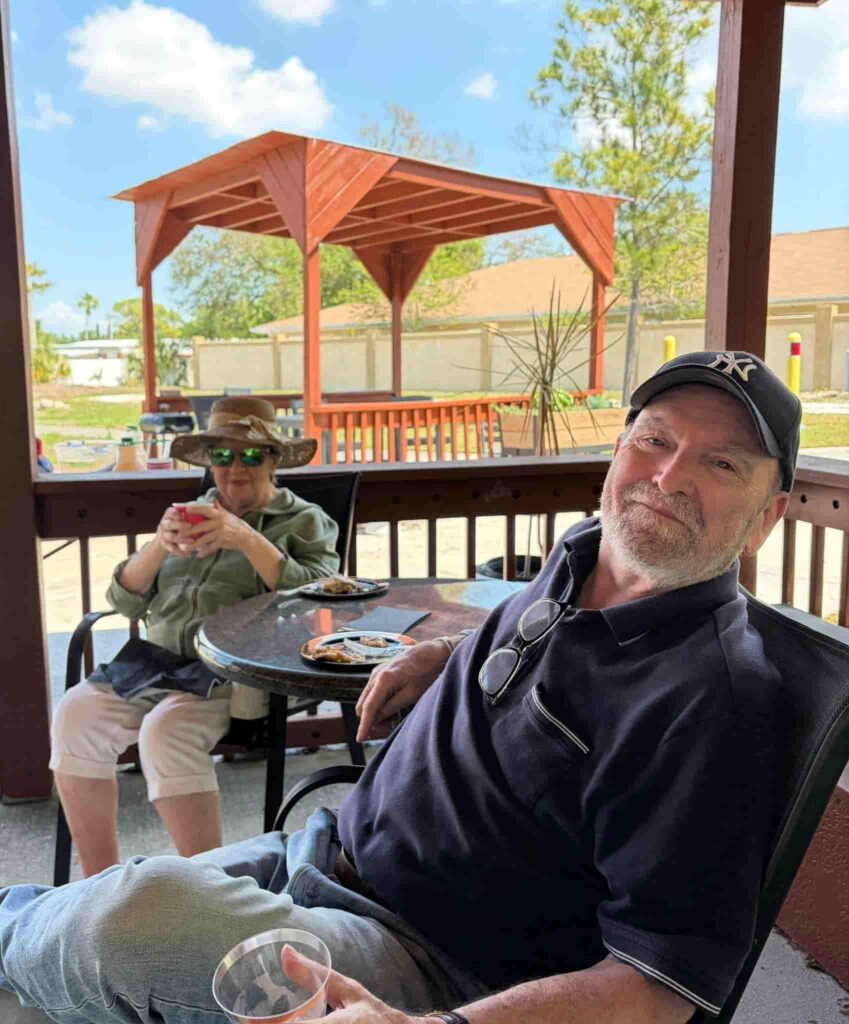

Is Home Really the Safest Next Step After Rehab?
Home is usually the emotional default.
It is where a loved one feels most like themselves. It is where routines, memories, and comfort already exist. After days or weeks in a clinical setting, going home can seem like the most natural next step.
But familiarity and readiness are not always the same thing.
A home may be deeply comforting and still be poorly matched to a fragile stage of recovery. That mismatch is where families often run into problems. Not because anyone made a careless decision, but because “going home” sounds simple until someone has to live the reality of it, hour by hour.
The Real Question Is Not About Preference
Most older adults would rather recover at home. Most families would love that too.
The more useful question is not:
Where would everyone prefer recovery to happen?
It is:
What setting gives recovery the best chance to hold?
That shift matters. It moves the conversation away from hope alone and toward function, consistency, and margin for error.
Because after rehab, progress is often real but still delicate. A person may be well enough to leave one setting without being fully prepared for the demands of another.
When “Doing Better” Can Be Misleading
This is one of the most common traps for families.
A loved one is walking more. They are more alert. They seem brighter, stronger, more like themselves. Compared to the crisis that came before, the improvement feels enormous.
But recovery is rarely tested in ideal conditions at home.
At rehab, the day is structured. Support is built in. The environment is designed around limitations. At home, that structure disappears. Small tasks start stacking up. Distances feel longer. Fatigue shows up faster. Confidence can drop the moment something feels harder than expected.
That is why discharge success is not only about improvement. It is about how reliable that improvement is in an unstructured environment.
A Smarter Way to Evaluate Home Readiness
Families often benefit from looking at home readiness through three simple lenses:
- Can Recovery Happen There, Not Just Daily Life?
A home may work beautifully for normal life and still be difficult for recovery.
Think beyond comfort. Ask whether the space supports slower movement, rest breaks, reduced stamina, safer transfers, and a lower-risk routine.
A useful mental test is this:
Does this home ask too much from someone who is still rebuilding capacity?
- Is Support Available at the Right Moments?
The issue is not always whether help exists. It is whether help exists when recovery becomes most demanding.
A family may be loving, committed, and highly involved. That still does not automatically create coverage during the hardest parts of the day.
For example:
- A son may be available in the evenings, but mornings may be when standing, dressing, and early activity feel hardest
- A spouse may be present all day, but not physically able to assist safely when balance suddenly becomes an issue
- A daughter may live nearby, but nearby is not the same as immediately available
This is where many plans look solid in theory and thin in practice.
- What Happens on a Less-Than-Good Day?
Families often imagine discharge based on a good day.
A stronger day. A smoother day. A day where energy is decent and nothing unexpected happens.
A better test is to ask:
- What happens if sleep was poor?
- What happens if weakness shows up again?
- What happens if confidence drops?
- What happens if one missed step creates fear for the rest of the day?
Recovery plans tend to break down at the point where they have no flexibility. A safe next step usually includes some room for fluctuation.
What Families Sometimes Miss Because They Are Focused on the Big Picture
When discharge gets close, people naturally focus on major decisions. Where will they stay? Who is helping? What is the next step?
What gets overlooked are the smaller friction points that quietly shape whether recovery feels sustainable:
- The distance from bed to bathroom at night
- The effort required to get in and out of a car
- The exhaustion that follows a “simple” outing
- The mental load of having to ask for help repeatedly
- The emotional impact of feeling less capable at home than expected
These details matter because recovery is not built only through major milestones. It is built through repeated daily moments that either support progress or wear it down.
A Practical Tip for Families
Before agreeing that home is the right next step, try this exercise:
Walk through one ordinary day as honestly as possible.
Not the ideal day.
Not the day everyone hopes for.
A normal day.
Start in the morning and move forward hour by hour.
- How does the day begin?
- Where could effort pile up?
- When is supervision most likely to matter?
- Which parts of the routine depend too heavily on one person?
- What would feel manageable for three days, but difficult for three weeks?
This kind of thinking often reveals more than a general conversation about “going home.”
Sometimes the Safest Plan Is the One With More Support, Not More Optimism
Families do not need to feel guilty for asking harder questions at this stage.
In fact, this is often one of the most caring things they can do.
A thoughtful discharge plan does not assume that love alone will carry recovery. It looks at the environment, the routine, the available support, and the lived reality of the next few weeks.
Home may absolutely be the right next step.
But the safest next step is usually the one that respects how recovery actually works, not just where everyone wishes it could happen.

How Can Short-Term Assisted Living in St. Petersburg Support Recovery After Rehab
Sometimes the biggest challenge after rehab is not medical. It is practical.
A loved one may be well enough to leave rehab, but not fully ready to handle the pace, effort, and unpredictability of daily life at home. That is where Short-Term Assisted Living in St. Petersburg can become a helpful next step.
At The Goldton at St. Petersburg, this kind of stay can give families something they often need most after discharge:
- More Stability
- More Support
- More Time to Adjust
- Less Pressure to Figure Everything Out Overnight
What Can a Short-Term Stay Help With?
Instead of asking a family to go from rehab directly into full independence, a short-term assisted living stay can offer a more supported transition.
That may be especially helpful when a loved one still needs assistance with:
- Medication Administration
- Mobility Support
- Daily Routines
- Monitoring During Recovery
- Meals and Hydration
- A More Predictable Day-to-Day Structure
For some families, this is not about making a permanent decision. It is about creating a softer landing after rehab.
When Does This Option Make Sense?
A short-term assisted living stay may be worth considering when questions like these start coming up:
- What if home still feels like too much right now?
- What if help is available, but not throughout the full day?
- What if recovery is moving in the right direction, but still feels fragile?
- What if the family needs a little more time to prepare for a safer transition?
These are not small concerns. They are often the exact signs that a loved one may benefit from a setting with more built-in support.
What Makes This Helpful at The Goldton at St. Petersburg
At The Goldton, families can find an upbeat and caring senior living community in St. Petersburg, Florida, where support is part of everyday life.
For someone recovering after rehab, that can mean access to:
- Round-the-Clock Assistance
- Help With Mobility and Personal Support Needs
- Medication Administration
- Comfortable Surroundings Designed for Daily Ease
- Fresh Meals and Fewer Household Demands
- A Team Ready to Help Residents Stay Active and Supported
Just as important, the community is conveniently located near many of the places families may still need during recovery, including doctor’s offices, grocery stores, parks, local restaurants, and worship venues. Scheduled transportation can also make certain routines easier to manage during a short-term stay.
Why Families Often Find Relief in This Step
One of the hardest parts of discharge is feeling like every decision has to be made immediately.
A short-term assisted living stay can create room to breathe.
It can help families:
- Avoid a Rushed Return Home
- Reduce Caregiver Strain
- See More Clearly What Level of Support Is Still Needed
- Focus on Recovery Without Managing Every Detail Alone
- Move Forward With More Confidence
In many cases, what families need most is not a dramatic solution. They need a practical bridge between rehab and whatever comes next.
A Helpful Way to Think About It
Short-Term Assisted Living is not only about care.
It is also about timing.
Sometimes home is the right long-term plan, just not the easiest immediate one.
And sometimes a short-term stay in a supportive setting can help recovery feel more manageable, more dignified, and far less overwhelming for everyone involved.
If your family is navigating the next step after rehab in the St. Petersburg area, this kind of support can offer a more comfortable way to recover, regain confidence, and decide what comes next with greater peace of mind.