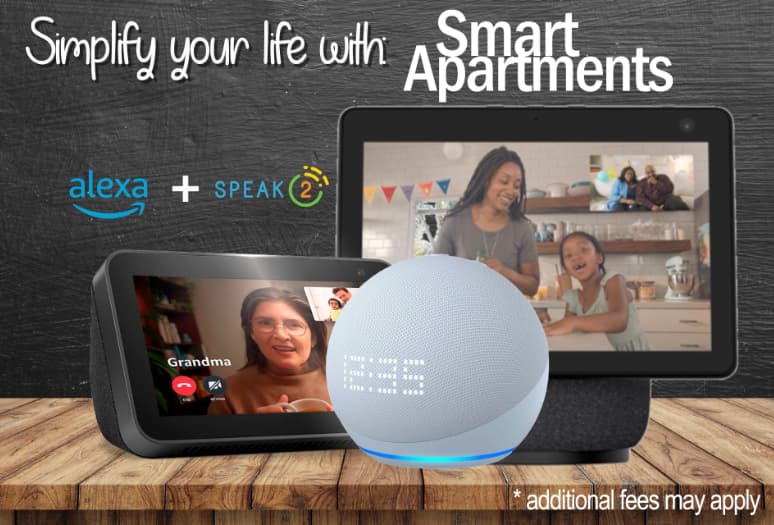







What if asking for help felt as simple as saying a sentence out loud?
Imagine a resident waking up in their apartment at Madison at Clermont. They want to know what activities are happening today. They need a reminder for lunch. They would love to hear a favorite song while getting ready. Later, their daughter wants to send a quick message or share a photo from miles away.
None of these moments are dramatic. That is exactly why they matter.
In Assisted Living, comfort often lives in the small details: knowing what comes next, feeling connected to family, having access to reminders, and being able to interact with the apartment in a way that feels simple. For many seniors, technology only feels useful when it disappears into daily life. No confusing steps. No complicated screens. Just support that responds naturally.
That is where Alexa and Speak2 at Madison at Clermont can make a meaningful difference.
Through voice-activated support, residents can use simple commands to set reminders, enjoy music, access helpful information, connect with loved ones, and make everyday routines feel more manageable. Families can also feel more present through messages, photos, and simple ways to stay involved, even when they cannot visit in person.
For older adults who value independence, this kind of smart technology can help reduce friction throughout the day. For families, it can bring a deeper sense of reassurance. And for Assisted Living communities, it adds another layer of thoughtful support that works alongside compassionate care.
At Madison at Clermont, Alexa and Speak2 are not just about modern apartments. They are about helping residents feel more confident, more connected, and more at ease in the place they call home.
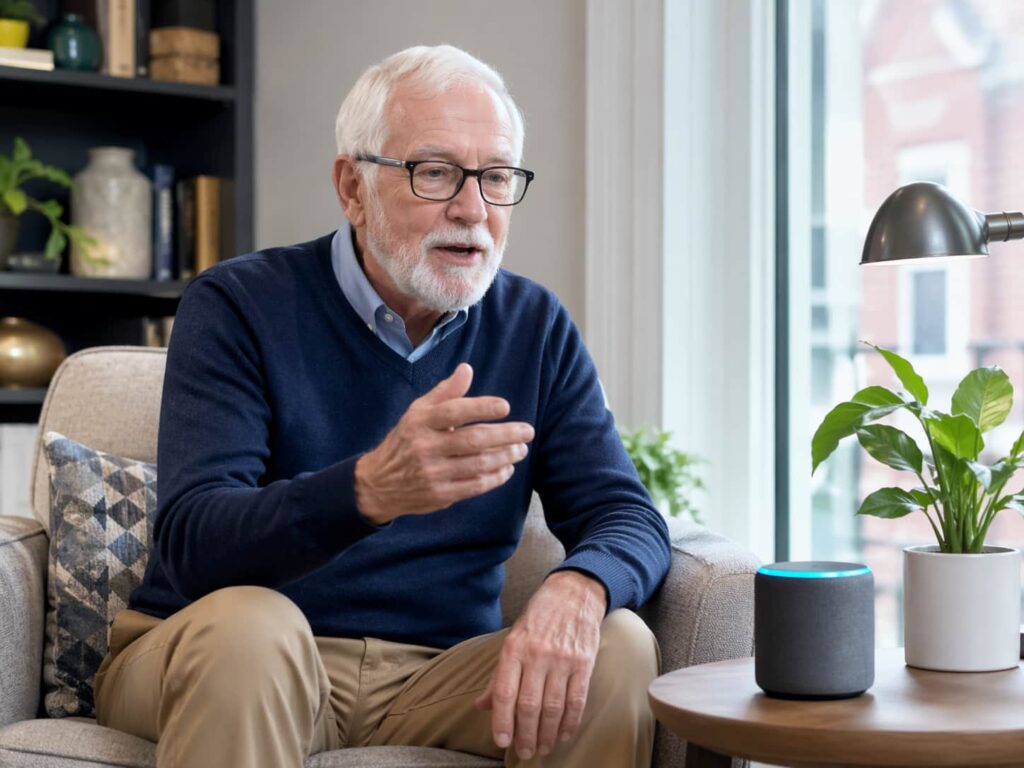
1. How Voice Technology Supports Safer Daily Routines
A safer day in Assisted Living does not always begin with something big. Sometimes, it begins with a simple question:
“Alexa, what’s on the menu today?”
“Alexa, remind me about my medication.”
“Alexa, call the front desk.”
“Alexa, turn on the lights.”
At Madison at Clermont, Alexa and Speak2 help make everyday routines easier to navigate for Assisted Living residents by turning small needs into simple voice commands. Instead of searching for a phone, walking across the room in the dark, or trying to remember every detail of the day, residents can use voice technology to access helpful support in a way that feels natural.
Think of it like a daily rhythm.
In the morning, a resident may ask about the day’s activities or check the meal menu. Before lunch, a reminder can help them stay on track with their routine. In the evening, adjusting the lights by voice can make moving through the apartment feel more comfortable. And when a question comes up, they do not need to feel stuck. They can ask.
That simplicity matters.
For many seniors, technology becomes useful when it removes extra steps. Alexa and Speak2 are not asking residents to become tech experts. They are helping make common daily moments easier, especially the ones connected to comfort, movement, reminders, communication, and peace of mind.
Voice technology can also support independence in a respectful way. A resident can ask for information, request assistance, enjoy music, check community updates, or connect with family without feeling like every small need requires someone else to step in immediately. That can make daily life feel more personal, more confident, and less overwhelming.
For families, these tools can offer another layer of reassurance. Features such as hands-free calling, family check-ins, community updates, and simple ways to contact support can help loved ones feel more connected to a resident’s daily experience. Combined with the personal care and attention of the Madison at Clermont team, Alexa and Speak2 help create routines that feel safer, smoother, and easier to enjoy.
Because in Assisted Living, safety is not only about emergency moments. It is also about helping residents move through ordinary moments with more confidence.
2. Independence Feels Different When Support Is Easy to Reach
Independence in Assisted Living is not always about doing everything alone. Many times, it is about being able to move through the day with confidence because support is close, simple, and easy to ask for.
Think about the difference between these two moments:
A resident wants to know what time lunch begins.
They want to hear music while getting ready.
They need help contacting the front desk.
They want to video call a loved one.
They want the lights adjusted before walking across the room at night.
Without the right tools, each small need may require extra steps. Looking for a phone. Waiting until someone passes by. Trying to remember where information was posted. Getting up when it may be safer to stay seated. For older adults, those extra steps can make daily life feel more difficult than it needs to be.
With Alexa and Speak2 at Madison at Clermont, many of those moments can become easier.
A resident can simply ask.
“Alexa, call the front desk.”
“Alexa, what’s happening today?”
“Alexa, turn on the lights.”
“Alexa, remind me about my medication.”
“Alexa, call my daughter.”
That kind of simplicity matters because technology is most helpful when it feels natural. Recent AARP research found that about half of adults age 50 and older currently use or are interested in using a voice personal assistant such as Siri or Alexa. The same research also found that 66% of adults 50-plus agree that technology enriches life and makes aging easier, while caregivers are also increasingly using technology to coordinate routines and support loved ones.
For families, this can shift the way they think about independence.
Independence does not have to mean distance.
It can mean a resident has more ways to ask for what they need.
It can mean fewer unnecessary obstacles throughout the day.
It can mean family members can stay more present through messages, photos, video calls, and simple check-ins.
That is especially meaningful in Assisted Living, where the goal is often to protect a resident’s dignity while making daily life easier. Alexa and Speak2 can help residents access reminders, adjust lights, check the meal menu, connect with loved ones, and reach support using voice commands or screen messages. Atlas describes this kind of smart apartment experience as a way to support independence, safety, and connection across daily routines.
There is also a practical safety layer. Falls remain one of the biggest concerns for older adults and their families. The CDC reports that falls are the leading cause of injury for adults age 65 and older, with more than 14 million older adults, or about 1 in 4, reporting a fall each year. When a resident can ask for help, turn on lights, or request support without walking across the room unnecessarily, voice technology can become part of a safer daily rhythm.
Speak2 also highlights one of the clearest benefits of voice command in senior living: residents can request services without needing to move around the room or reach for a cord, making help feel more accessible in ordinary moments.
At Madison at Clermont, this kind of support is not about making Assisted Living feel more technical. It is about making it feel more intuitive.
A voice command can turn into a reminder.
A screen message can turn into a family connection.
A simple question can turn into a clearer day.
A request for help can happen before frustration builds.
For residents, that can create a stronger sense of control. For families, it can create reassurance. And for the Assisted Living experience, it adds another thoughtful layer of support around the people who matter most.
Because independence feels different when help is not complicated to reach.