





What happens in the brain when a song we love begins to play?
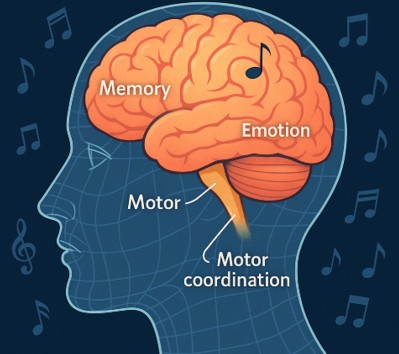
According to research from Johns Hopkins Medicine, listening to music activates more regions of the brain than almost any other human activity. It stimulates memory, emotion, and motor coordination all at once, a symphony of neural engagement that keeps the mind flexible and awake (Johns Hopkins Medicine, 2022).
So what changes when the music is live?
When sound vibrates in the same room, the experience becomes physical. Live music boosts endorphins, synchronizes breathing and heartbeat among audiences, and fosters an immediate sense of belonging (Chanda & Levitin, 2013). It’s no longer just a pleasant background, it’s a shared moment of joy and presence.
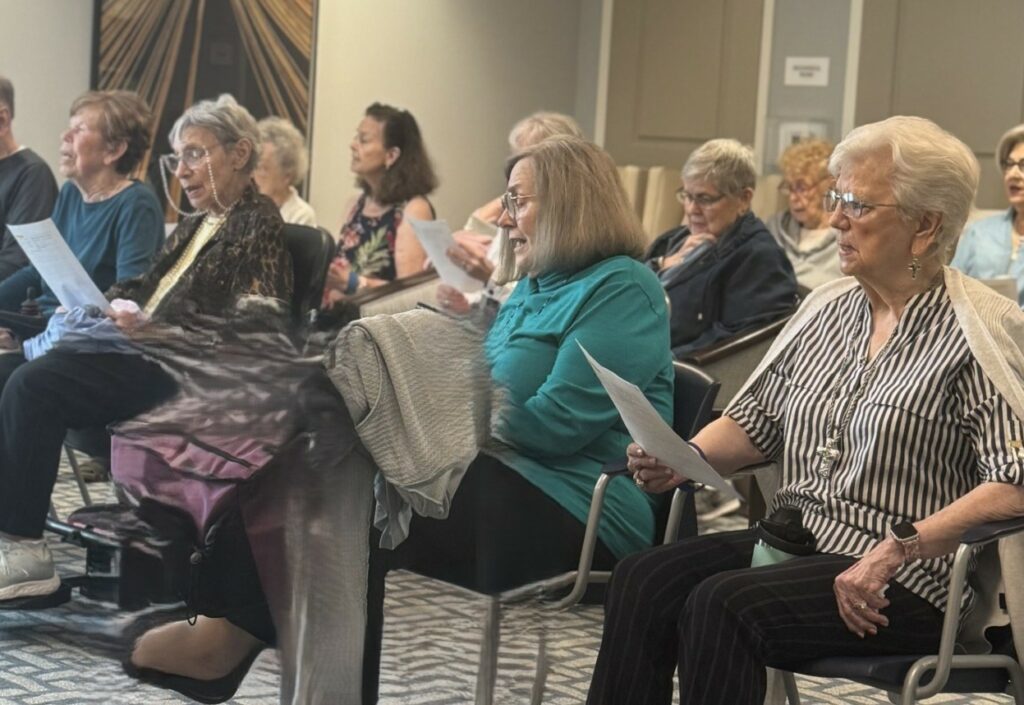
At Monark Grove Greystone, community concerts have become more than scheduled events, they are living experiences that support emotional and social well-being. When residents gather to listen or play, the atmosphere changes in subtle ways. Conversations flow more easily, smiles appear without effort, and music becomes a gentle catalyst for connection. These shared moments stimulate memory, foster empathy, and remind everyone that belonging can be felt through something as simple as a familiar melody.
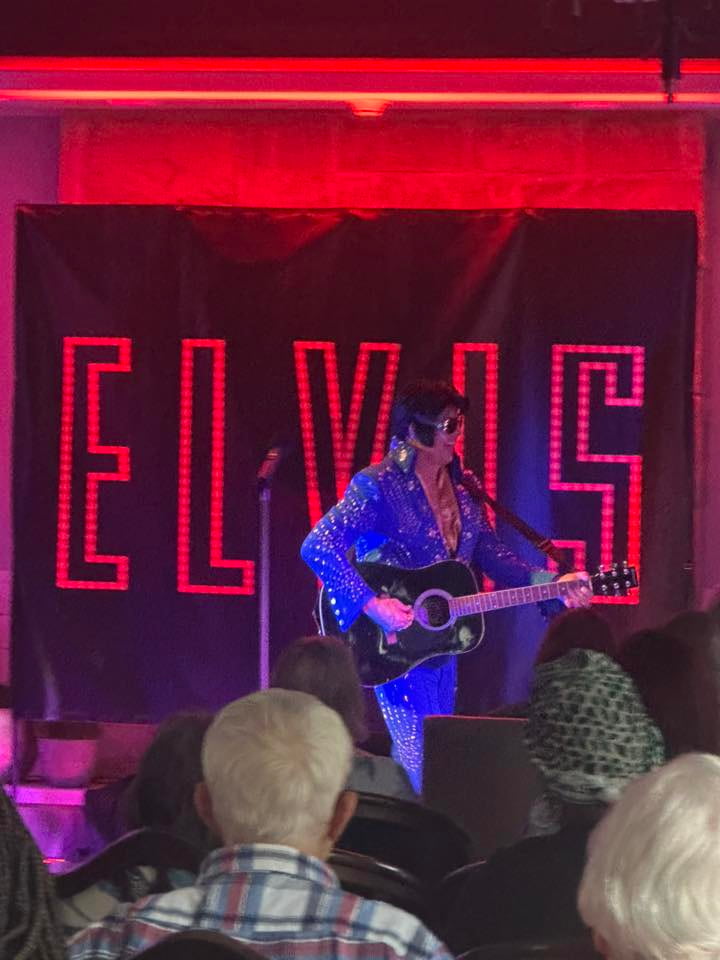
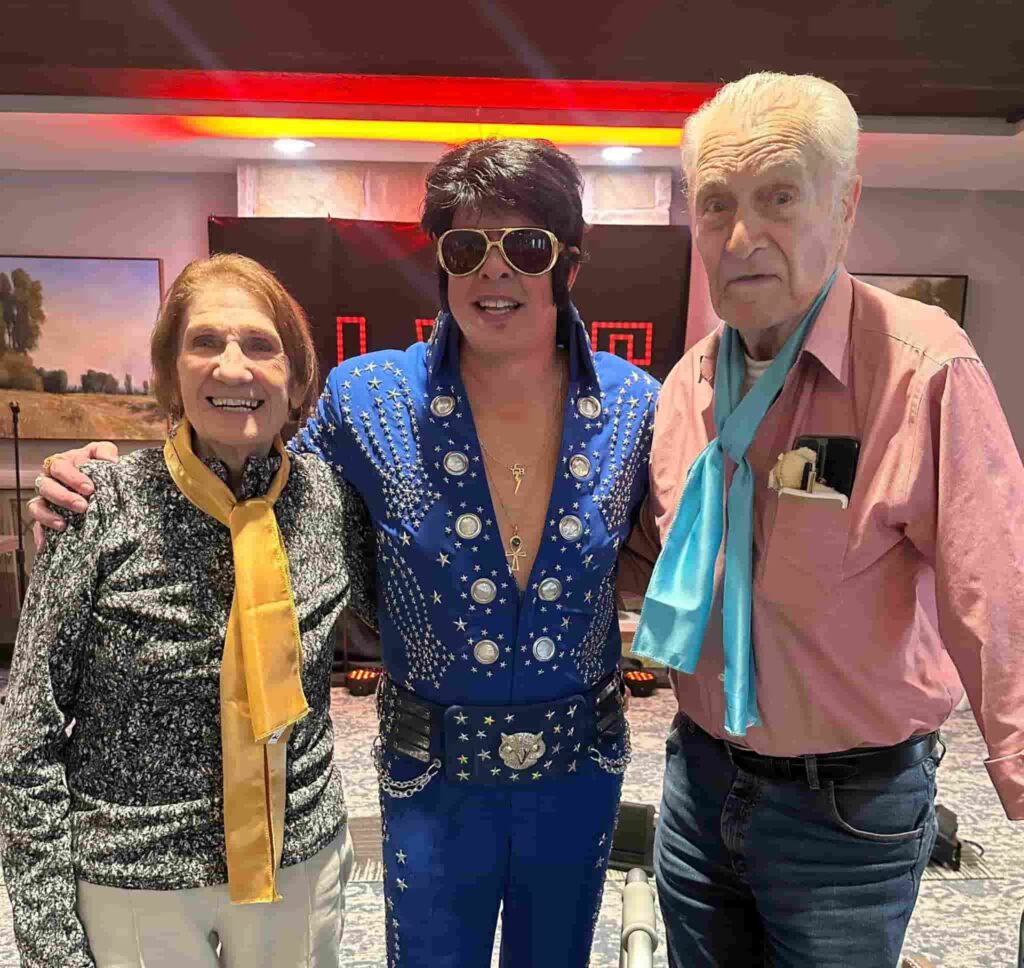
How Live Music Stimulates Well-Being in Seniors
Music keeps the brain awake
Each live performance acts as a mental workout. Unlike recorded music, live rhythm changes tone, speed, and emotion, keeping the brain active and flexible.
Concepts behind it:
- Neuroplasticity: The brain’s ability to stay adaptable and form new connections.
- Attention activation: Following unpredictable rhythms sharpens concentration.
- Memory recall: Melodies awaken stored memories and help maintain cognitive agility.
🧠 Example: When someone hears the tune of their wedding song, the hippocampus (the brain’s memory center) lights up instantly. That spark strengthens both memory and emotional stability.
Rhythm brings movement back
Music invites the body to respond, even in small ways.
That tap of the foot or gentle sway in the chair activates muscles, balance, and blood flow.
Core benefits:
- Activates motor coordination.
- Improves posture and flexibility.
- Keeps joints lubricated through micro-movement.
✨ Micro-activities to try while listening:
- Tap your fingers to the beat, it strengthens dexterity.
- Move your shoulders slowly in rhythm, it improves flexibility.
- Hum softly, it activates facial muscles and breathing control.
📍 Did you know? Even minimal rhythmic movement improves circulation and stimulates dopamine, the brain’s natural “motivation chemical” (Levitin, 2006).
Sound becomes emotion
Certain melodies open doors we thought were closed. A single note can trigger emotions connected to love, family, or youth. This is why music therapy is often used to support emotional health in aging.
Emotional responses commonly triggered:
- Joy: Songs linked to celebration or dance.
- Tenderness: Ballads or songs with familiar lyrics.
- Serenity: Slow instrumental pieces or classical melodies.
Shared music, shared presence
Live music transforms a group of people into a shared heartbeat.
When several individuals listen together, their bodies naturally synchronize. Breathing slows, eyes meet, and tension releases.
What’s happening inside the body:
- Heartbeats align through rhythm (called entrainment).
- The brain releases oxytocin, which increases empathy and connection (Chanda & Levitin, 2013).
- Social barriers dissolve, everyone becomes part of the same sound.
🌿 Observation exercise:
At your next concert or group performance, look around during a slow song. Notice how stillness grows, it’s the body’s way of harmonizing with others.
The calm that follows
After live music, silence feels different, softer, fuller. This is known as the afterglow effect, a state of mental clarity and relaxation that can last for hours or even days.
Key effects:
- Lower cortisol (stress hormone).
- Reduced anxiety and muscle tension.
- Better sleep quality and overall calm.
🌙 How to extend the afterglow:
- Take a few minutes to rest after listening.
- Reflect on your favorite moment of the performance.
- Keep a small “music journal” with songs that make you feel balanced.
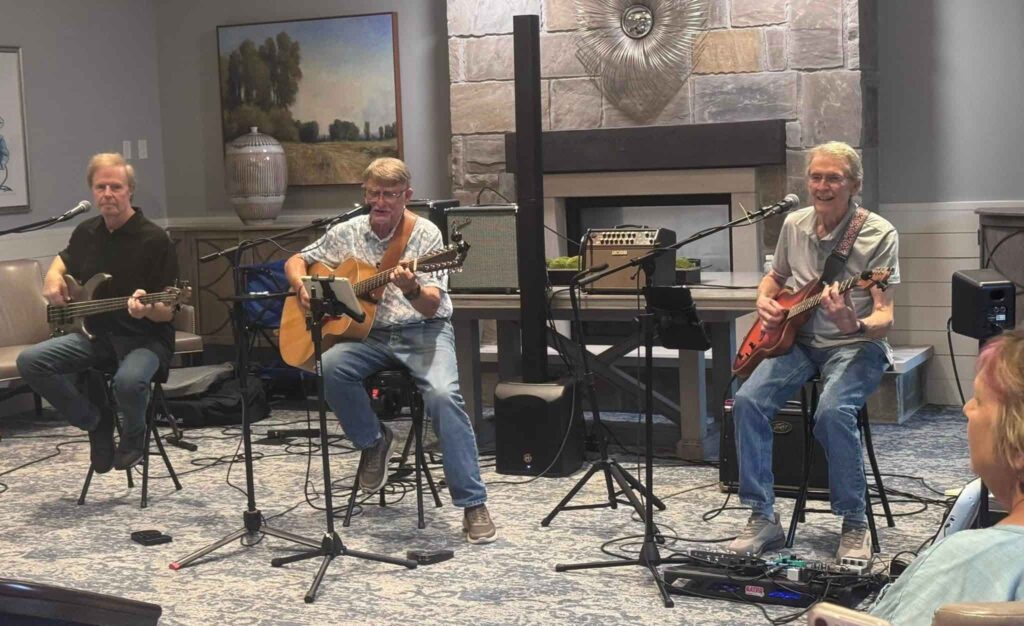
Moments That Move Us: The Social Power of Community Concerts
When Residents Become Performers
When residents step into the spotlight, something powerful unfolds: they stop being spectators and become storytellers. Their songs carry decades of memory, humor, and resilience.
Each note shared is not only heard but felt by everyone in the room.
What performing activates:
- Confidence: Expressing oneself through music reinforces identity and self-worth.
- Memory integration: Playing an instrument or singing lyrics engages long-term memory networks (Särkämö, 2018).
- Emotional release: Performance allows emotions to flow safely, creating relief and joy.
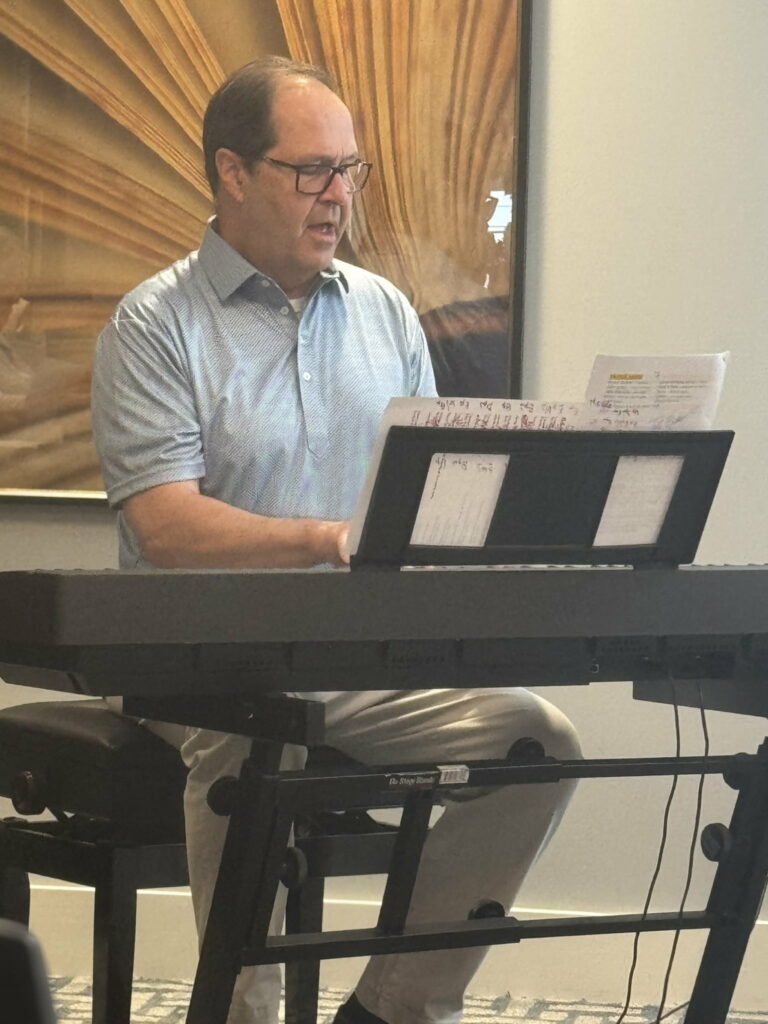
🎵 Example: A resident named George sits at the piano to play “Blue Moon.” As his hands move, his eyes close. When he finishes, the silence before the applause feels like sacred space. That single performance becomes a shared memory, one everyone will recall the next time they hear the song.
💡 Reflection prompt:
What song would you choose to tell your story today? The answer might reveal not only who you were, but who you still are.
🎶 Music as Connection, Not Competition
Community concerts aren’t about perfection. They’re about presence.
In those gatherings, people share rhythm, laughter, and sometimes even small mistakes that turn into collective joy. The music becomes a bridge that joins personalities, generations, and memories.
How this social rhythm works:
- Listeners mirror each other’s expressions and movements, deepening empathy.
- Group singing synchronizes breathing and heart rate, fostering calm.
- Shared applause releases oxytocin, the same hormone tied to affection and trust (Chanda & Levitin, 2013).
🌿 Real-life effect:
After a concert, many residents describe sleeping better, feeling more “lighthearted,” or simply happier to talk with others. Music becomes a subtle therapy that strengthens community bonds without needing words.
The Heartbeat of Belonging
Every concert whether in a dining hall, a garden, or the corner of a lounge, builds continuity. It reminds everyone that they are part of something alive, that life still has rhythm and surprise.
Concepts at play:
- Shared memory: Songs connect people through common experiences.
- Collective joy: Laughter and applause activate reward centers in the brain.
- Identity through sound: Performing or even clapping along renews the sense of self and participation in the world.
✨ Observation: The beauty of these gatherings isn’t just the sound of music, but the silence afterward, that shared pause when everyone smiles, aware they’ve lived something together.