
Because they deserve care that sees the person, not just the condition.

What Does Memory Care Look Like at The Georgian Lakeside?
When someone you love is living with Alzheimer’s, dementia, or another cognitive condition, everyday life can begin to feel different; for them and for the family supporting them. Familiar routines may become harder, and things that once felt simple can suddenly require more help.
That’s why our approach starts with knowing the person behind the diagnosis. Their routines, preferences, abilities, personality, and the little things that bring them comfort all help shape their experience.
The goal is to provide thoughtful support while helping each resident feel secure, respected, and connected to the life around them.
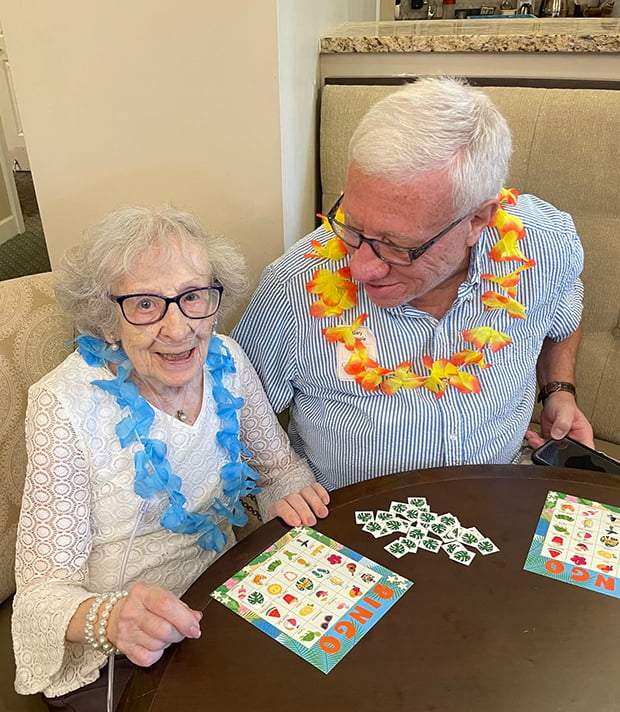
Personalized Care for Every Individual
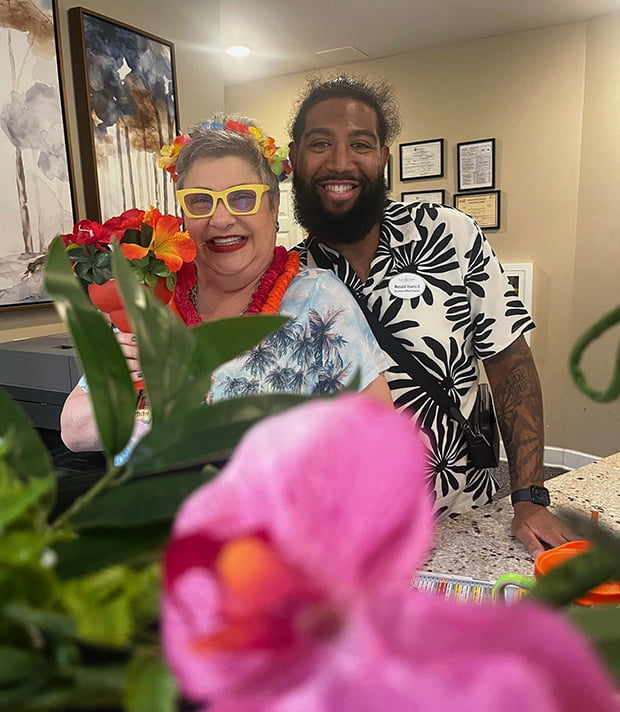
No two people experience memory loss in exactly the same way. Support can be adjusted around changing needs, familiar routines, personal preferences, and the abilities each resident brings to the day.
Personalized Care Plans
Each resident’s needs, preferences, routines, and abilities help shape their personalized approach to care.
Medication Management
Trained team members can assist with medication routines and help families feel more confident that this important part of the day is being handled with attention.
Personal Care Assistance
Residents can receive respectful assistance with bathing, grooming, dressing, and other personal routines while maintaining privacy and dignity.
Daily Guidance
When familiar routines become more difficult to navigate alone, gentle guidance can help residents move through their day with greater confidence.
Dining Support
Meals can be adapted around individual dietary needs and preferences, while familiar routines and enjoyable dining experiences remain part of the day.
Family Communication
Families deserve to feel informed and connected. Open communication helps keep everyone involved as needs and preferences evolve.
A Space That Feels Familiar
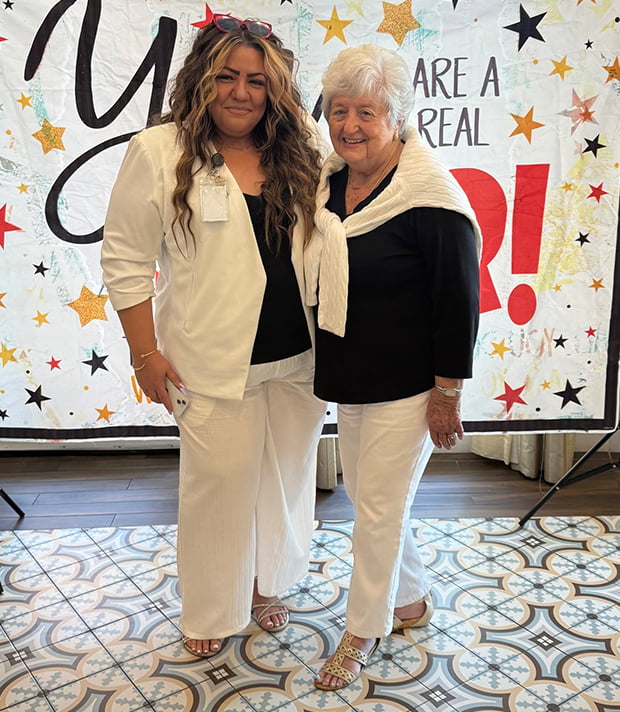
Meaningful Moments in Our Senior Living
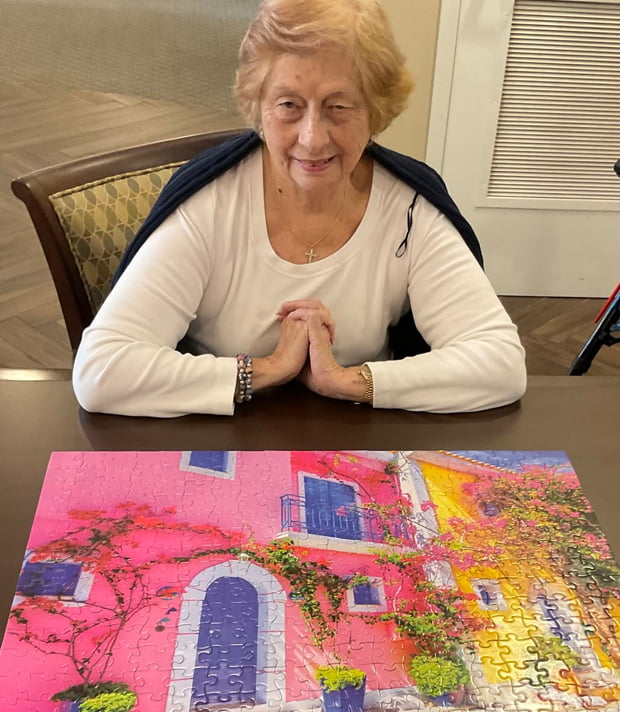
Each day brings opportunities to move, create, connect, and enjoy something meaningful. Activities are adapted to different interests and abilities, giving residents ways to stay engaged at their own pace.
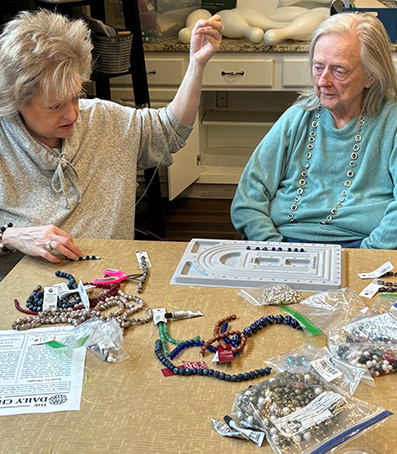
Conversation, memory, and sensory activities encourage participation and connection.
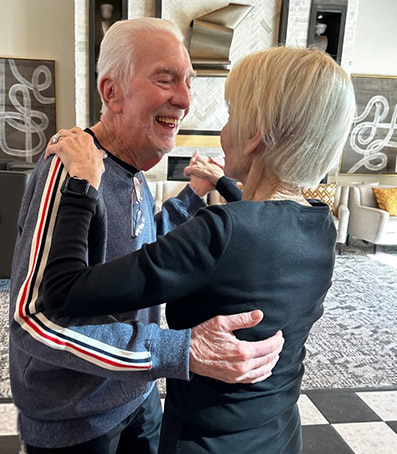
Gentle movement and fitness activities help residents stay active throughout the week.
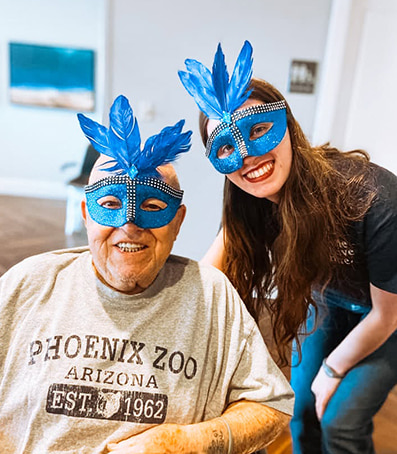
Music, art, and other creative activities offer ways to express themselves and enjoy the moment.
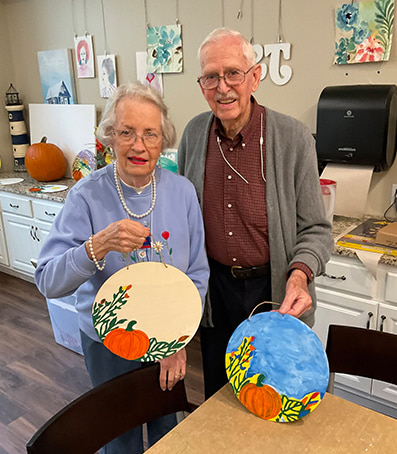
Shared activities create opportunities to connect with others and enjoy time together.
Meaningful Moments
in Our Senior Living
SPIRIT: A Memory Care Program Built Around Their Story
It starts with who they are.
Families share photos, memories, favorite pastimes, meaningful places, and other details that help our team get to know each resident beyond their diagnosis.
Their story guides their experience.
That information becomes part of a personal Life Story Book and helps shape activities and experiences around their interests, abilities, and preferences, from music and art to reminiscence, sensory activities, movement, and social connection.
Their strengths still matter.
SPIRIT focuses on what residents can do, what they enjoy, and what they want to keep exploring, while giving families an active role in the process.
Questions Families Ask About Memory Care
How do I know when it may be time to consider Memory Care?
There is no single point that looks the same for every family. Changes in safety, routines, communication, or managing daily activities may be signs that additional support could be helpful. Talking with your family and care professionals can help you better understand what your parent may need.
What is the difference between Assisted Living and Memory Care?
Memory Care is designed specifically for people living with Alzheimer’s, dementia, or other cognitive conditions. Beyond help with daily routines, the environment, programming, and approach are shaped around the unique needs that can come with memory loss.
Can my parent still participate in activities in Memory Care?
Absolutely. Activities can be adapted to different abilities, interests, and stages of memory loss. The goal is to create opportunities for residents to participate, connect, and enjoy meaningful moments in ways that feel comfortable for them.
What happens if my parent’s needs change over time?
Needs can change over time, and the right level of support may change with them. Families and team members can continue communicating about what is working well, what has changed, and what additional assistance may be appropriate.
How can I help my parent adjust to Memory Care?
Start by keeping them involved in the process as much as possible. Bring familiar belongings, talk about routines they enjoy, visit together before the move, and give them time to become comfortable with new surroundings and faces. Small familiar details can help make a new environment feel less overwhelming.