
Maybe your parent still lives independently, manages their daily routine, and tells you everything is fine. But you have started noticing something different. They are going out less, seeing friends less often, skipping activities they once enjoyed, or spending most days without meaningful conversation.
For families asking questions like “Is my aging parent too isolated?” “Can loneliness affect memory?” or “Does social isolation increase dementia risk?”, those concerns are worth paying attention to. Social isolation and loneliness are increasingly being studied not only as emotional issues, but as factors connected to cognitive health, healthy aging, and dementia risk in older adults.
Social isolation refers to having limited relationships, contact, or support from others, while loneliness describes the feeling of being disconnected or lacking meaningful relationships. A person can live alone without feeling lonely, and someone can also feel lonely even when other people are around them (Centers for Disease Control and Prevention [CDC], 2024).
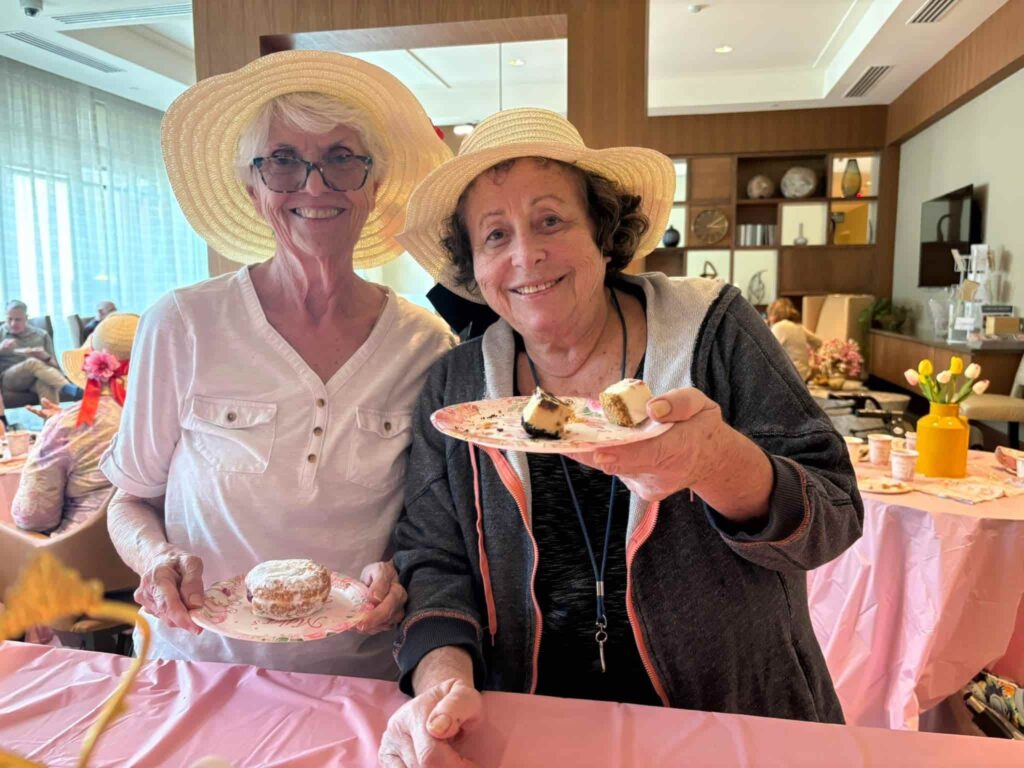
What Families Should Know About Social Isolation and Brain Health
- Loneliness has been associated with a 31% higher risk of developing dementia. A 2024 meta-analysis involving more than 600,000 people across 21 longitudinal samples found that loneliness was associated with an increased risk of all-cause dementia, even after researchers accounted for factors including depression and social isolation (Luchetti et al., 2024).
- The connection between social disconnection and dementia is significant enough to be considered a public health concern. Evidence summarized by the CDC indicates that social isolation and loneliness among older adults are associated with an approximately 50% increased risk of dementia (National Academies of Sciences, Engineering, and Medicine [NASEM], 2020).
- Social engagement is increasingly part of the conversation around protecting cognitive health. In the U.S. POINTER randomized clinical trial, 2,111 older adults at increased risk for cognitive decline and dementia participated in lifestyle interventions combining physical activity, nutrition, cardiovascular health monitoring, cognitive challenges, and social engagement. Both groups improved in global cognition over two years, with greater improvement in the more structured intervention group (Baker et al., 2025).
- Being socially active does more than fill a calendar. Conversations, group activities, shared meals, learning something new, games, exercise classes, outings, and maintaining friendships can create recurring opportunities for social and cognitive engagement throughout the day. Research does not show that socializing alone can prevent dementia, but maintaining meaningful social connection is increasingly recognized as one component of supporting brain health as we age (Baker et al., 2025).
- The change may be gradual. Retirement, loss of a spouse or friends, mobility challenges, hearing or vision changes, and reduced access to transportation can all make it harder for older adults to remain socially connected. For families, the important question may not simply be “Can Mom or Dad still live alone?” but also “What does their life actually look like when no one else is there?”
This is where the social environment of a senior living community can become especially meaningful. Instead of requiring an older adult to independently plan every outing, find transportation, or coordinate every social interaction, community living can place opportunities for friendship, conversation, movement, learning, shared meals, and meaningful daily routines within easier reach.
How Can Families Help an Aging Parent Stay Socially Connected and Cognitively Engaged?
Helping an aging parent stay connected does not necessarily mean filling every hour with activities. Meaningful social engagement can start with small, consistent opportunities to talk, participate, make decisions, learn, move, and feel part of something.
The National Institute on Aging encourages older adults to stay connected with family, friends, neighbors, social activities, and community programs, noting that social isolation and loneliness are associated with cognitive decline and other health concerns (National Institute on Aging [NIA], 2024).
Start by Asking a Different Question
Instead of only asking:
“How often do I call Mom or Dad?”
Families may also want to ask:
- Who does my parent regularly talk to besides family?
- How many days a week do they have meaningful face-to-face interaction?
- Have they stopped attending church, clubs, restaurants, classes, or activities they once enjoyed?
- Is transportation making it harder to maintain friendships?
- Are hearing, mobility, or health changes causing them to withdraw?
- Do they still have opportunities to meet new people?
Family contact matters, but one weekly visit may not replace having a broader sense of community and belonging.
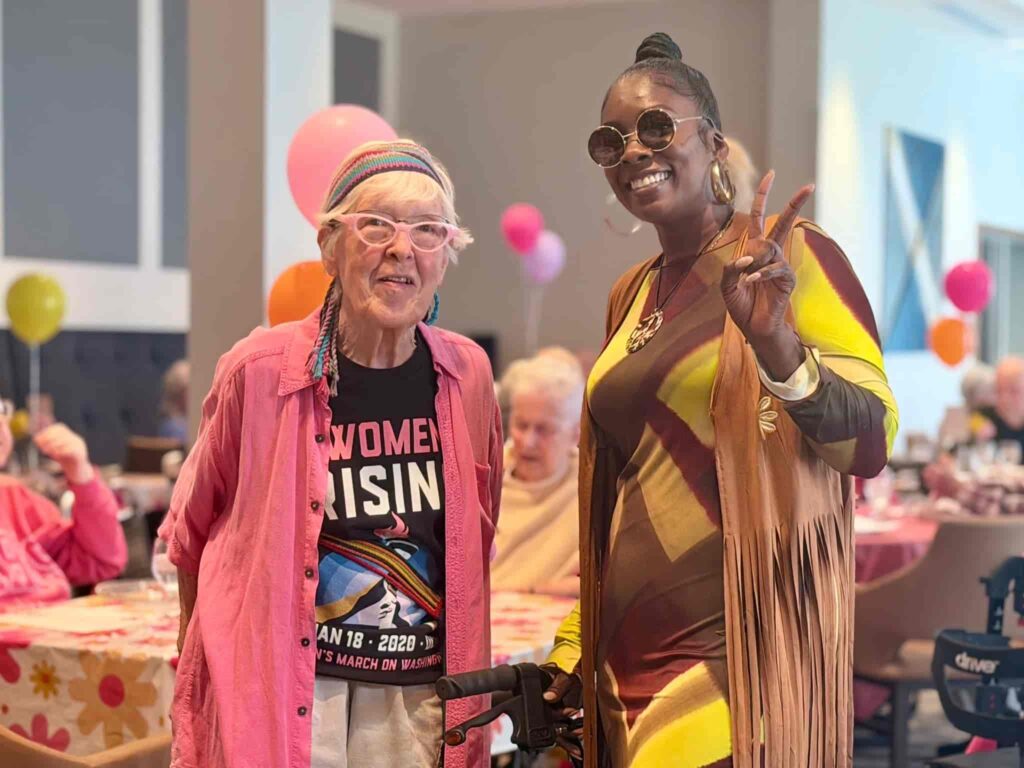
Tip 1: Create Routine, Not Just Occasional Plans
A birthday dinner or family visit can be wonderful, but social connection is stronger when it becomes part of everyday life.
Think about opportunities such as:
- A recurring lunch with a friend
- A weekly exercise or wellness class
- Faith-based gatherings
- Book, gardening, art, or hobby groups
- Regular walks with a neighbor
- Volunteering
- Scheduled calls or video conversations with family
- Community events designed for older adults
The goal: Give your parent something social to anticipate regularly rather than waiting for someone to remember to make plans.
Tip 2: Look for Activities That Engage the Brain, Too
Not every social activity has to feel like a “brain exercise.”
Conversation itself can involve remembering details, listening, responding, making decisions, sharing stories, and adapting to new information.
Consider activities that combine connection with cognitive engagement:
Games and cards
Strategy, memory, conversation, and friendly competition can happen at the same time.
Music and dancing
They add movement, memory, rhythm, and interaction.
Learning something new
Cooking demonstrations, technology classes, lectures, crafts, or learning a new game can introduce novelty into the week.
Group exercise
Physical activity becomes an opportunity for both movement and social connection.
Shared meals
Breakfast or dinner can become a recurring social experience instead of another meal eaten alone.
Tip 3: Do Not Assume Someone Wants to Be Alone
An older adult who rarely leaves home may not necessarily prefer it that way.
Loss of a spouse or friends, retirement, reduced mobility, health changes, and lack of transportation can all make maintaining relationships more difficult as people age (NIA, 2019).
Sometimes the better question is:
“Do they prefer being alone, or has staying connected simply become harder?”
What If My Parent Says, “I’m Fine by Myself”?
They may be.
Living alone and being socially isolated are not the same thing. Someone can live independently and maintain a rich social life, while another person can live around others and still feel lonely (NIA, 2019).
Instead of focusing only on whether your parent lives alone, look at the bigger picture:
Connection: Do they have meaningful relationships?
Participation: Are they regularly involved in something outside their home?
Purpose: Do they feel needed, interested, or excited about parts of their week?
Accessibility: Can they realistically get to the people and activities they enjoy?
Change: Has their social life noticeably decreased over the past year?
Tip 4: Remove the Barrier Before Adding Another Activity
Sometimes the problem is not a lack of interest.
It may be:
“I don’t drive at night anymore.”
“I can’t hear everyone at dinner.”
“Walking that far is difficult.”
“Everyone I used to go with has moved away.”
“I don’t know anyone there.”
Finding the barrier can be more useful than simply telling a parent they “need to get out more.”
Transportation, hearing support, mobility accommodations, going with them the first few times, or choosing smaller groups may make participation feel much more manageable.
An Important Insight for Families
If maintaining a meaningful social life requires increasingly complicated coordination, the environment itself may be part of the problem.
An older adult may technically be capable of living alone while still experiencing days with very little conversation, movement, stimulation, or interaction.
That distinction matters.
The question becomes less about:
“Can my parent still live at home?”
and more about:
“Is their current environment making it easy or difficult to stay connected, active, and engaged?”
That is also one reason families begin exploring senior living communities: not simply because an older adult needs help, but because their current lifestyle may no longer provide the opportunities for connection and engagement that once happened naturally.
How Senior Living Communities Support Social Connection and Brain Health: Life at Tribute at Black Hill
When families consider senior living for an aging parent, care needs are often the first concern. But the environment in which an older adult spends each day can matter, too.
The National Institute on Aging recommends maintaining connections with family, friends, neighbors, social activities, and community programs as part of supporting cognitive health and reducing isolation. Social isolation and loneliness have been associated with a higher risk of cognitive decline and other health concerns in older adults (National Institute on Aging [NIA], 2024).
A senior living community cannot prevent dementia. What it can do is create an environment where opportunities for social connection, movement, cognitive engagement, routine, and participation are easier to access throughout everyday life.
Why the Environment Around an Older Adult Matters
Staying socially active at home may become increasingly complicated with age.
A person may still want to meet friends, exercise, attend events, or go out for dinner, but transportation, mobility changes, losing a spouse or longtime friends, or simply having fewer nearby social opportunities can gradually narrow their world.
Research supported by the NIA has emphasized that addressing social isolation requires looking beyond individual behavior to the surroundings and circumstances that make social participation easier or harder (National Institute on Aging [NIA], 2019).
That is one important distinction of community living.
Instead of every interaction requiring transportation, coordination, or advance planning, opportunities for connection can exist within the resident’s everyday environment.

Social Connection Can Be Built Into the Day
In a senior living community, social engagement does not have to mean attending a large scheduled event.
It can happen naturally through:
- Eating breakfast or dinner with other residents
- Talking with neighbors while moving through the community
- Participating in an exercise or wellness program
- Joining a game, class, discussion, or creative activity
- Spending time outdoors with others
- Meeting someone new
- Sharing familiar routines with the same people each day
- Continuing hobbies and discovering new interests
These repeated points of interaction matter because social connectedness is broader than simply being around other people. It includes feeling that you belong and are supported and valued within relationships (Centers for Disease Control and Prevention [CDC], 2025).
At Tribute at Black Hill in Germantown, Maryland, daily life is designed to provide residents with multiple opportunities to connect through chef-inspired dining, engaging activities, wellness and movement, lifelong learning, and comfortable shared spaces.
The intention is not to keep residents “busy.” It is to make participation and connection easier to access as part of normal daily life.
Cognitive Engagement Often Happens Through Everyday Experiences
Supporting cognitive engagement does not always require a formal memory exercise.
Everyday experiences can ask the brain to listen, respond, remember, decide, communicate, coordinate movement, and process new information.
A conversation over lunch involves language and memory.
Learning a new game introduces novelty and problem-solving.
A group fitness class combines physical movement with listening and following directions.
An activity or outing may involve planning, choices, orientation, and interacting with other people.
This is why researchers increasingly look at brain health through a multidomain approach rather than searching for one activity capable of preventing cognitive decline. Current dementia-risk research has examined combinations of physical activity, cognitive challenges, social engagement, nutrition, and cardiovascular health management (Baker et al., 2025).
What Does This Look Like at Tribute at Black Hill?
For someone exploring senior living in Germantown, MD, the question is not simply how many activities appear on a calendar.
A more useful question is:
Does the community create different ways for my parent to participate, connect, and maintain a meaningful routine?
At Tribute at Black Hill, that environment extends across several areas of daily life:
Culinary experiences
Chef-inspired dining turns meals into more than nutrition. Dining can also provide a familiar daily opportunity to sit with others, have a conversation, and participate in the rhythm of community life.
Lifelong learning and fun
Engaging daily activities give residents opportunities to explore interests, interact with others, and continue experiencing novelty rather than falling into increasingly repetitive days.
Wellness and movement
Regular opportunities for movement support another important component of healthy aging while creating additional reasons for residents to come together.
Comfortable living spaces
Residents still maintain a private home and personal space. Assisted Living apartments include features such as kitchenettes, housekeeping, laundry service, and walk-in closets, allowing residents to balance independence and privacy with access to the larger community.
Personalized support
Tribute at Black Hill offers five levels of senior care so support can adjust as individual needs change. For residents who need additional help, Assisted Living combines day-to-day assistance with opportunities for independence, wellness, and social connection.
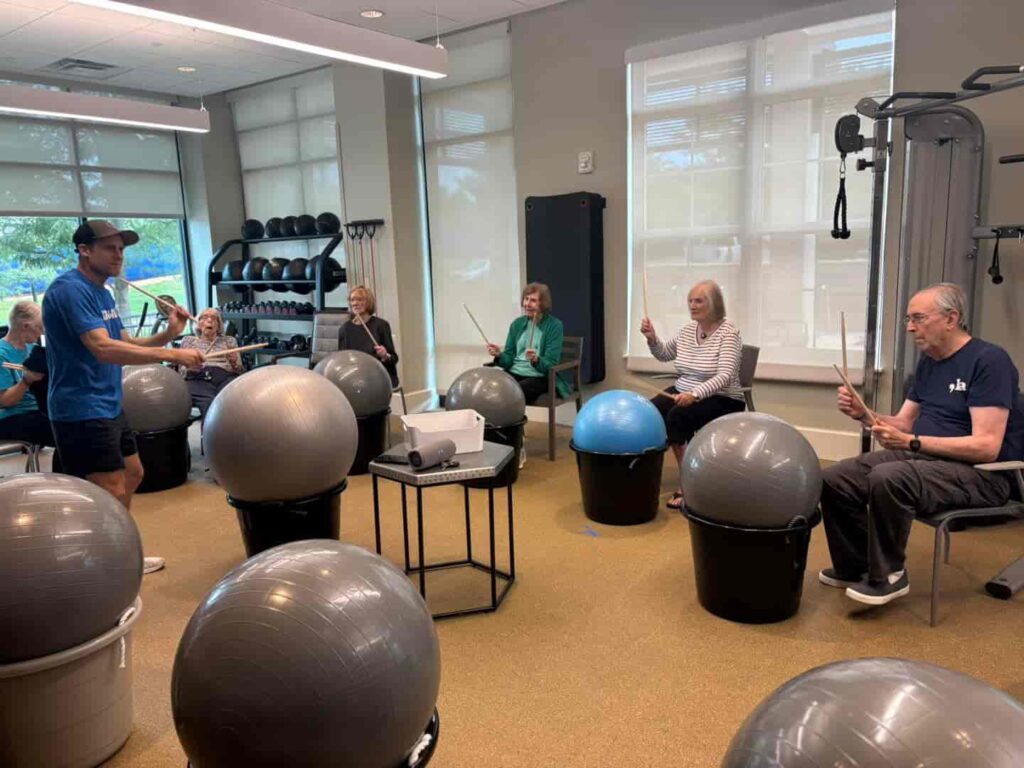
What About Seniors Living With Alzheimer’s Disease or Dementia?
Social connection remains relevant after cognitive changes begin.
People living with Alzheimer’s disease or another form of dementia may experience their environment differently, which can make familiarity, appropriate routines, compassionate assistance, and opportunities for meaningful engagement particularly important.
Tribute at Black Hill’s Memory Care program is designed specifically for individuals living with Alzheimer’s or dementia, with experienced caregivers and close collaboration with families in a safe, familiar environment.
Memory Care residences also include supportive features such as emergency pull cords, onsite care, laundry services, and easy-access showers.
The objective is different from promising to stop or reverse dementia. Instead, the focus is on creating an environment where a resident can continue to experience connection, dignity, appropriate engagement, familiarity, and personalized support.
Does Moving to Senior Living Prevent Dementia?
No.
There is currently no evidence that moving to a senior living community can prevent Alzheimer’s disease or other forms of dementia.
What research does tell us is that social isolation and loneliness are associated with poorer cognitive and health outcomes, while healthy aging recommendations increasingly emphasize staying physically active, socially connected, cognitively engaged, and attentive to overall health (CDC, 2024; NIA, 2024).
That makes the more useful question for families:
Does my parent’s current environment give them enough opportunities to stay connected, active, engaged, and supported?
For some older adults, the answer may still be yes at home.
For others, a community such as Tribute at Black Hill can make many of those opportunities part of everyday life rather than something the older adult or their family has to continually arrange from the outside.
A Helpful Way for Families to Compare Senior Living Communities
When touring a community, look beyond the activity calendar.
Consider asking:
- How do residents typically spend their day?
- Are there opportunities for both small-group and larger social experiences?
- How does the community help a new resident begin meeting people?
- Are meals designed as opportunities for social interaction?
- What wellness and movement programs are available?
- How are activities adapted for residents with different abilities or cognitive needs?
- What happens when a resident tends to remain in their apartment or withdraw from activities?
- How does Memory Care approach meaningful engagement for residents living with dementia?
The answers can reveal something much more important than the number of events offered each month: whether social connection is truly integrated into the way the community operates.
References
Baker, L. D., Espeland, M. A., Whitmer, R. A., et al. (2025). Structured vs self-guided multidomain lifestyle interventions for global cognitive function: The US POINTER randomized clinical trial. JAMA, 334(8), 681–691. https://doi.org/10.1001/jama.2025.12923
Centers for Disease Control and Prevention. (2024, May 15). Health effects of social isolation and loneliness. U.S. Department of Health and Human Services. https://www.cdc.gov/social-connectedness/risk-factors/index.html
Centers for Disease Control and Prevention. (2025, August 4). Information for health care providers: Social connectedness. U.S. Department of Health and Human Services. https://www.cdc.gov/still-going-strong/hcp/info/index.html
National Institute on Aging. (2019, April 23). Social isolation, loneliness in older people pose health risks. National Institutes of Health. https://www.nia.nih.gov/news/social-isolation-loneliness-older-people-pose-health-risks
National Institute on Aging. (2024, June 11). Cognitive health and older adults. National Institutes of Health. https://www.nia.nih.gov/health/brain-health/cognitive-health-and-older-adults